
KLC Architects Guide to a Loft extension
A loft extension can often be carried out under permitted development rights in the UK, which means that you do not need to obtain planning permission from your local council. However, there are some conditions and limits that you must adhere to, including:
The extension must not exceed 40 cubic meters in volume for a terraced house, or 50 cubic meters for a detached or semi-detached house.
The extension must not protrude more than 40cm from the existing roof slope at the front of the house, or exceed the existing roof height.
The materials used for the extension must match the existing materials of the house as closely as possible.
The loft extension must not create a balcony, veranda, or raised platform.
The extension must not overlook a neighbor’s property.
The extension must comply with other general requirements such as being built within the property boundaries, and not being located in a conservation area.
It is always advisable to check with your local council to confirm whether you are eligible to undertake a loft extension under permitted development rights, as there may be specific conditions that apply in your area.
Is a loft conversion an option for me?
Whether a loft conversion is an option for you depends on a number of factors. Here are some things to consider:
Roof height: You need to have a minimum head height of 2.2 meters in order to convert your loft. If your roof height is lower than this, then a loft conversion may not be possible.
Roof structure: The structure of your roof is also important. If your roof is made of trusses, then it will be more difficult and costly to convert. However, if it has a traditional rafter and purlin construction, then it may be easier to convert.
Planning permission: In some cases, planning permission may be required for a loft conversion. This will depend on a number of factors such as the size of the extension and whether your property is in a conservation area.
Building regulations: A loft conversion will also need to comply with building regulations. This ensures that the conversion is safe and meets certain standards such as fire safety, insulation and ventilation.
Budget: Loft conversions can be expensive, so it is important to have a budget in mind before starting the project. The cost will depend on a number of factors such as the size and complexity of the conversion, the materials used and any additional features such as en-suite bathrooms.
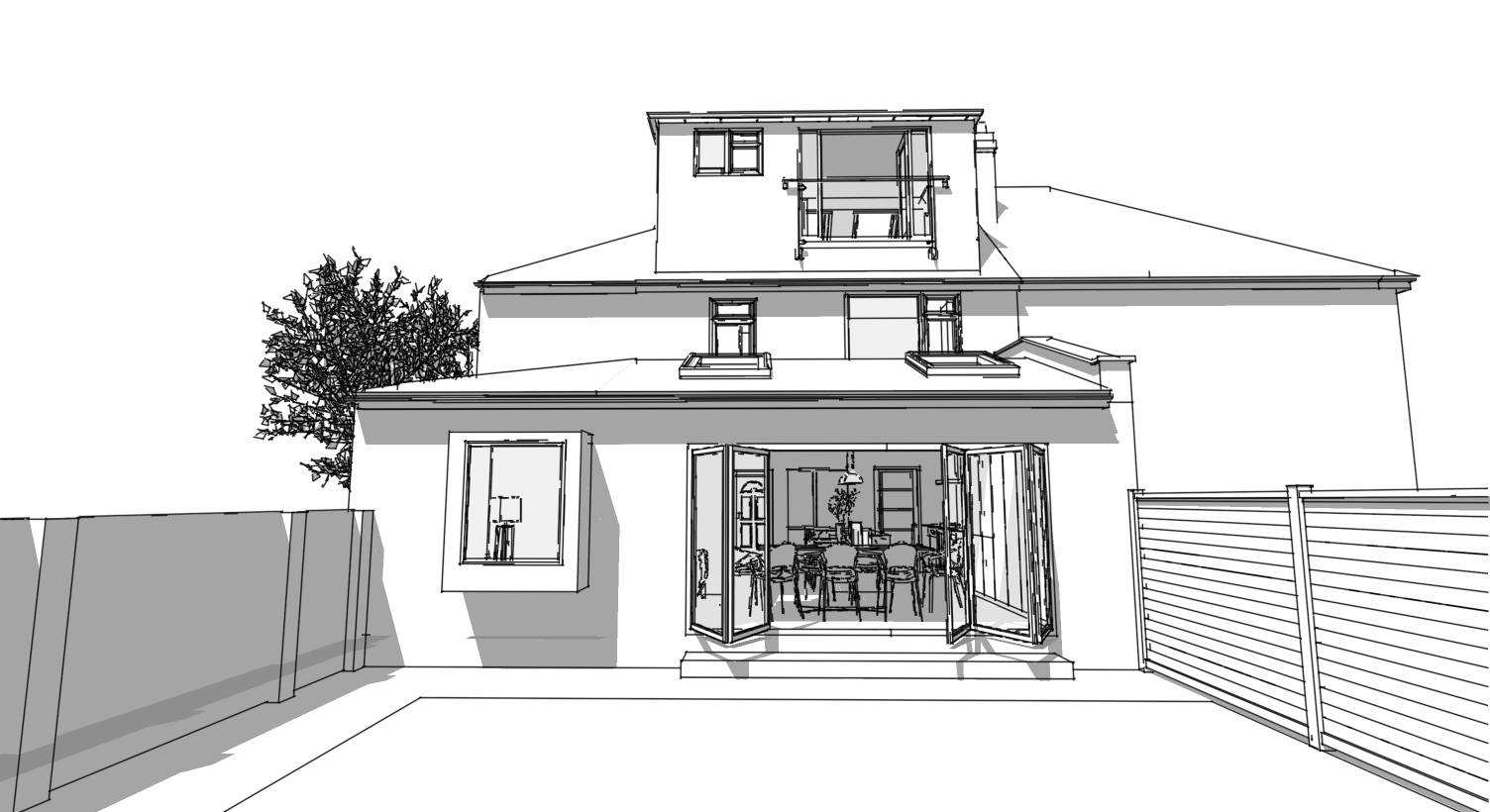
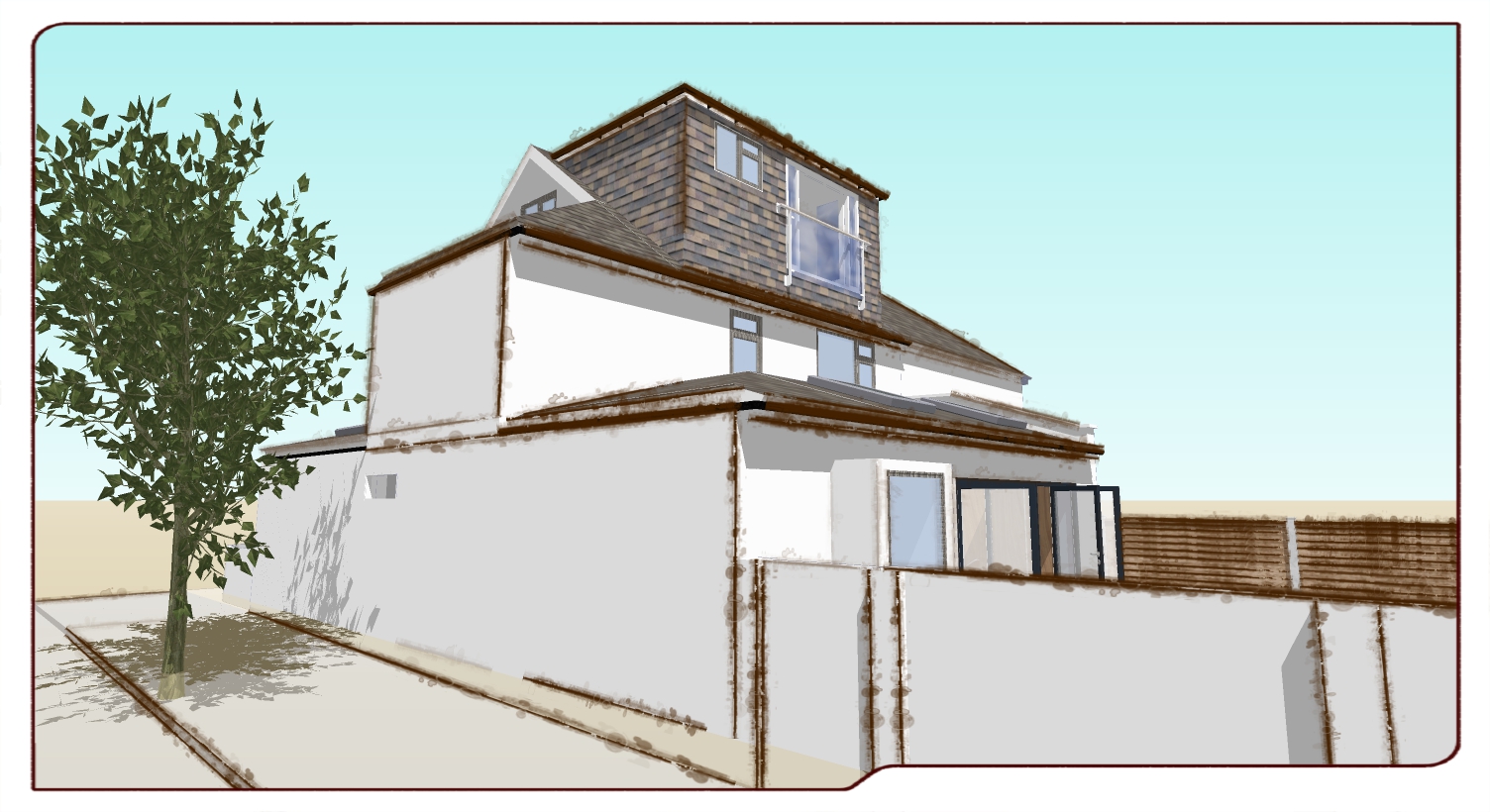
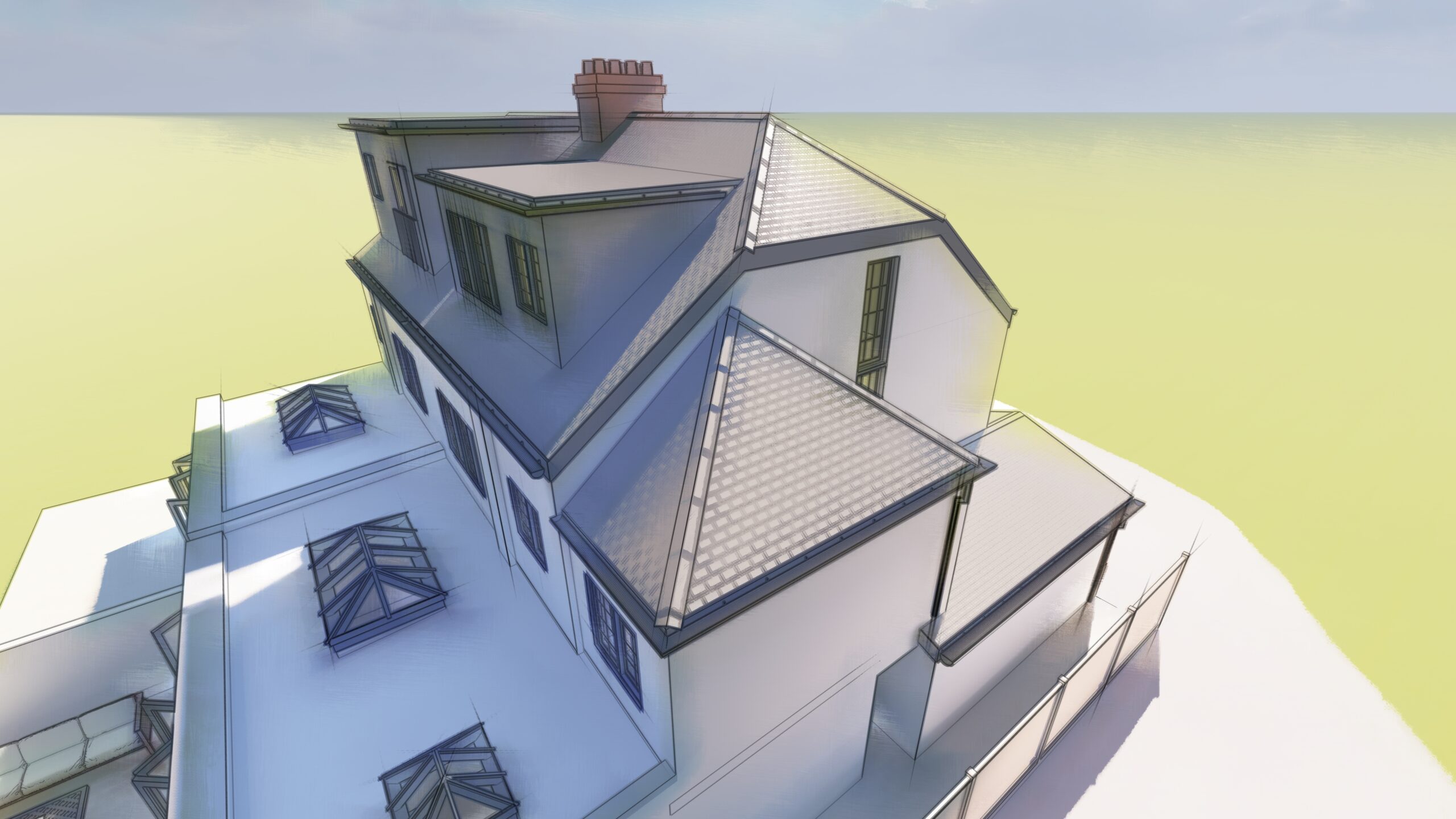
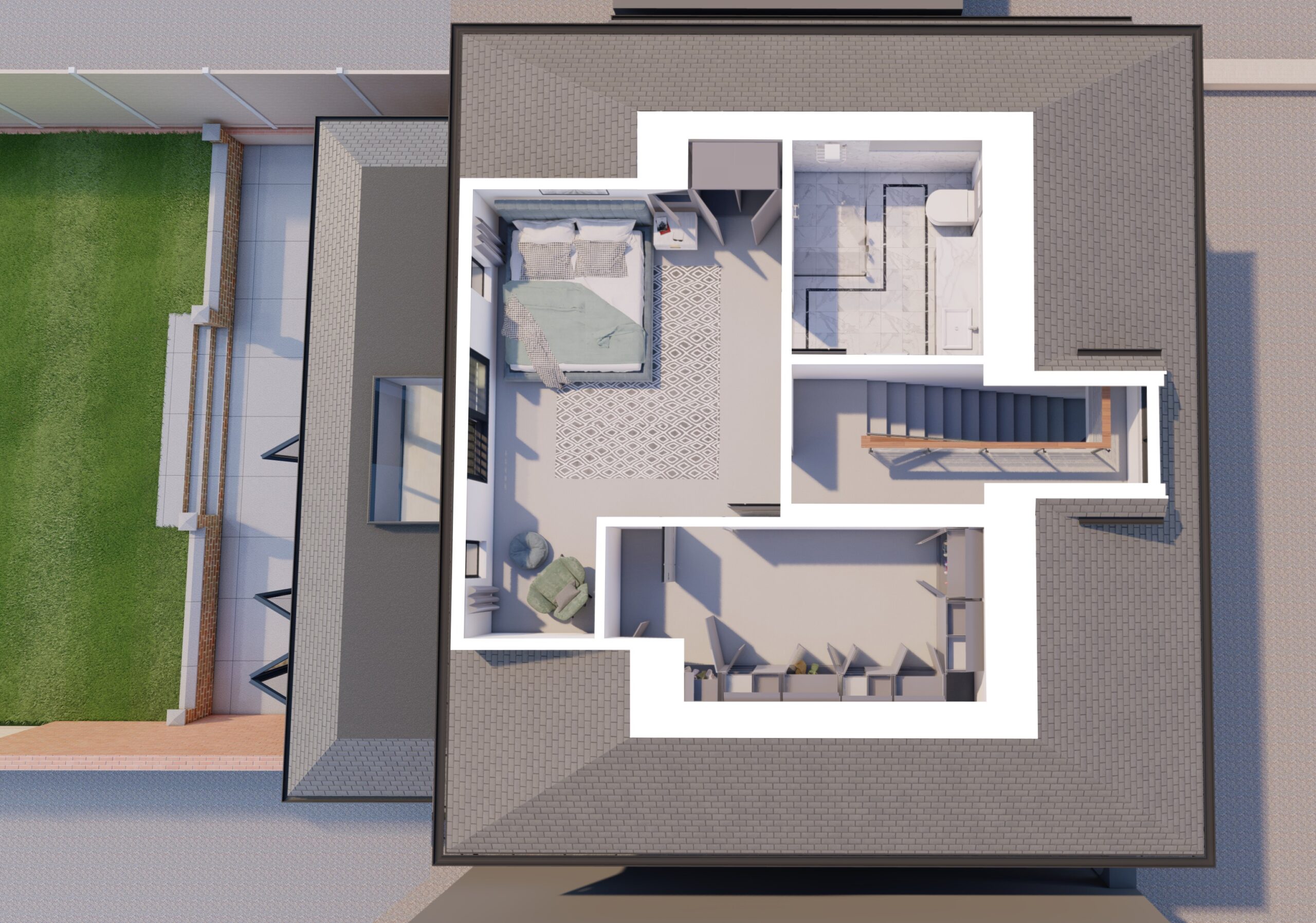
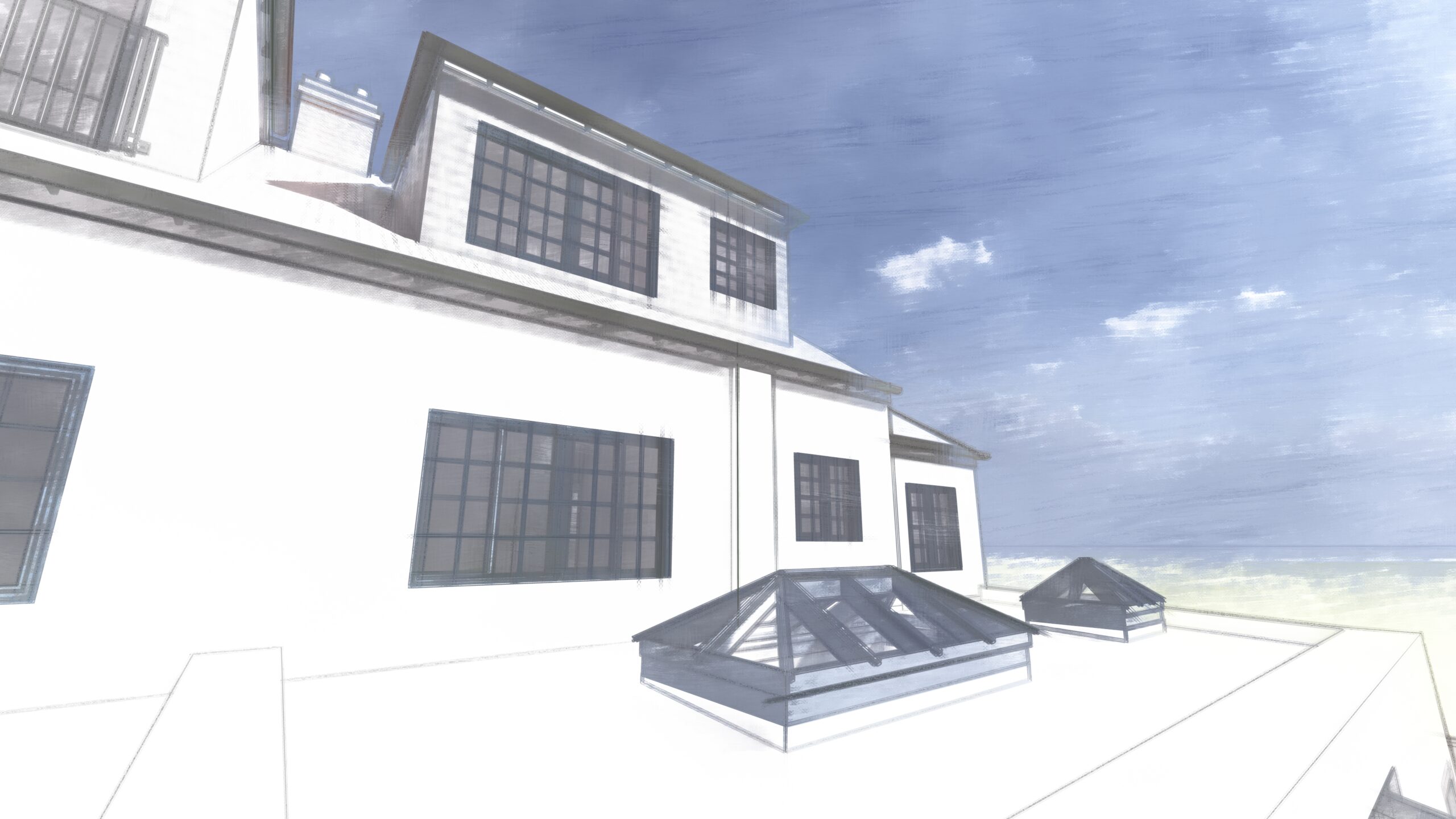
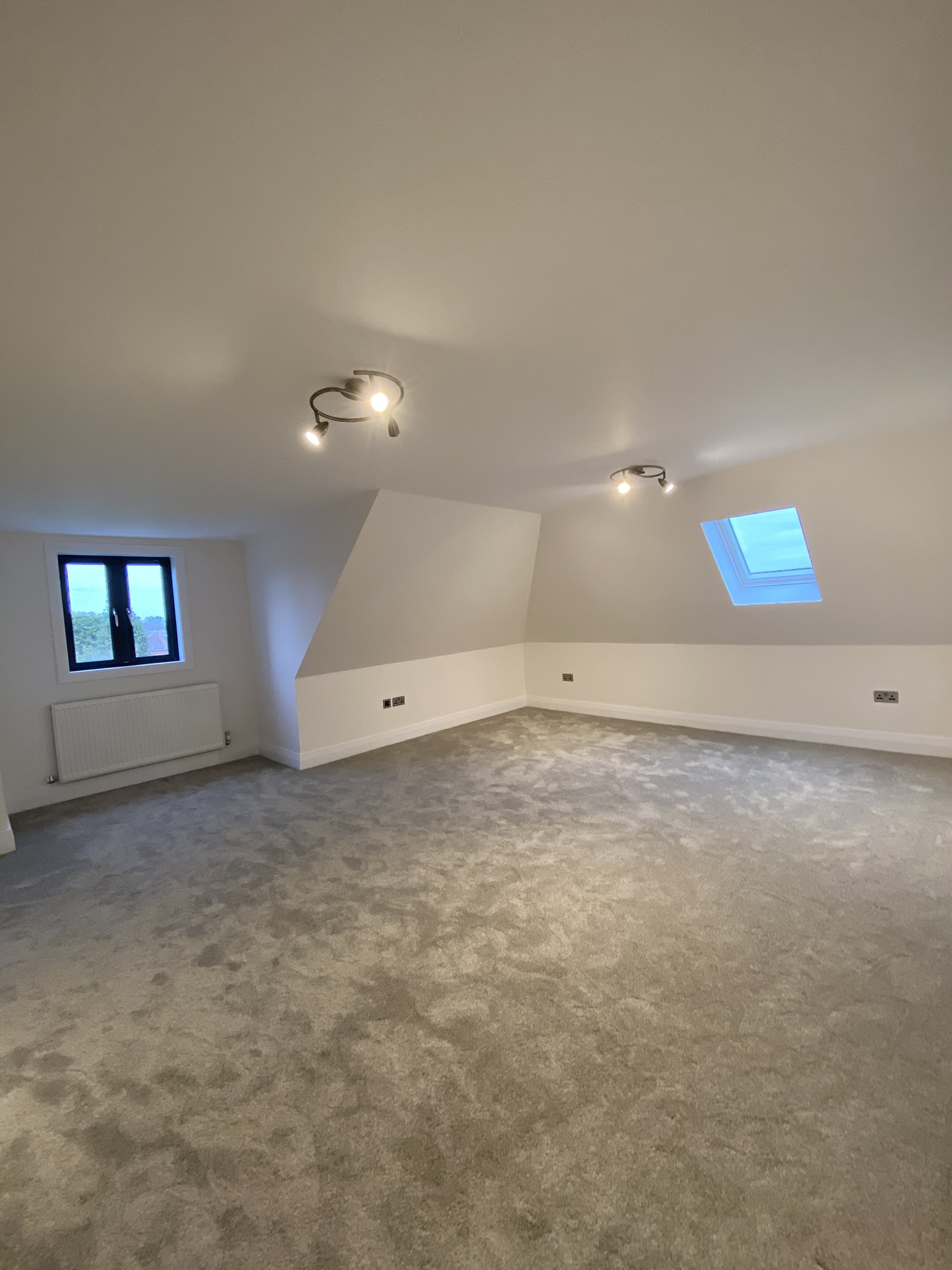
Do loft conversions need planning permission?
In many cases, loft conversions can be carried out under permitted development rights and do not require planning permission. However, there are certain conditions and limits that need to be met in order for the loft conversion to be considered permitted development.
Some of the conditions and limits for loft conversions under permitted development include:
The conversion does not exceed 40 cubic meters in volume for a terraced house or 50 cubic meters for a semi-detached or detached house.
The height of the conversion should not exceed the existing roof height.
The materials used for the conversion should be similar in appearance to the existing property.
No part of the conversion should overhang the outer face of the wall of the original house.
Side-facing windows must be obscure-glazed, and any opening must be 1.7m above the floor.
The roof extension should not be situated on a side elevation of the house.
However, if the proposed loft conversion does not meet the conditions and limits for permitted development, then planning permission may be required.
It is important to note that planning rules and regulations can vary depending on the location and type of property, so it is always best to consult with your local planning authority to confirm whether planning permission is needed for your specific loft conversion project.
Will my house foundations support a loft conversion?
The foundation of your house is a critical factor in determining whether it can support a loft conversion. In general, most houses should be able to support a loft conversion, but it depends on the specific characteristics of your property’s foundation and the load-bearing capacity of the structure.
The foundation of your house may need to be assessed by a structural engineer to determine if it is strong enough to support the additional weight of a loft conversion. The structural engineer will examine the type of foundation and the soil conditions to assess whether they are suitable for the planned conversion. They will also calculate the load-bearing capacity of the existing structure and determine if additional support is needed.
If the existing foundation is not strong enough to support a loft conversion, it may be necessary to underpin or strengthen the foundation before work can begin on the conversion. This will add to the cost and complexity of the project, but it is important to ensure the safety and stability of the property.
In summary, it is important to have a structural assessment carried out to determine if your house foundation can support a loft conversion. A structural engineer can provide guidance on the suitability of your property and any additional support that may be required.
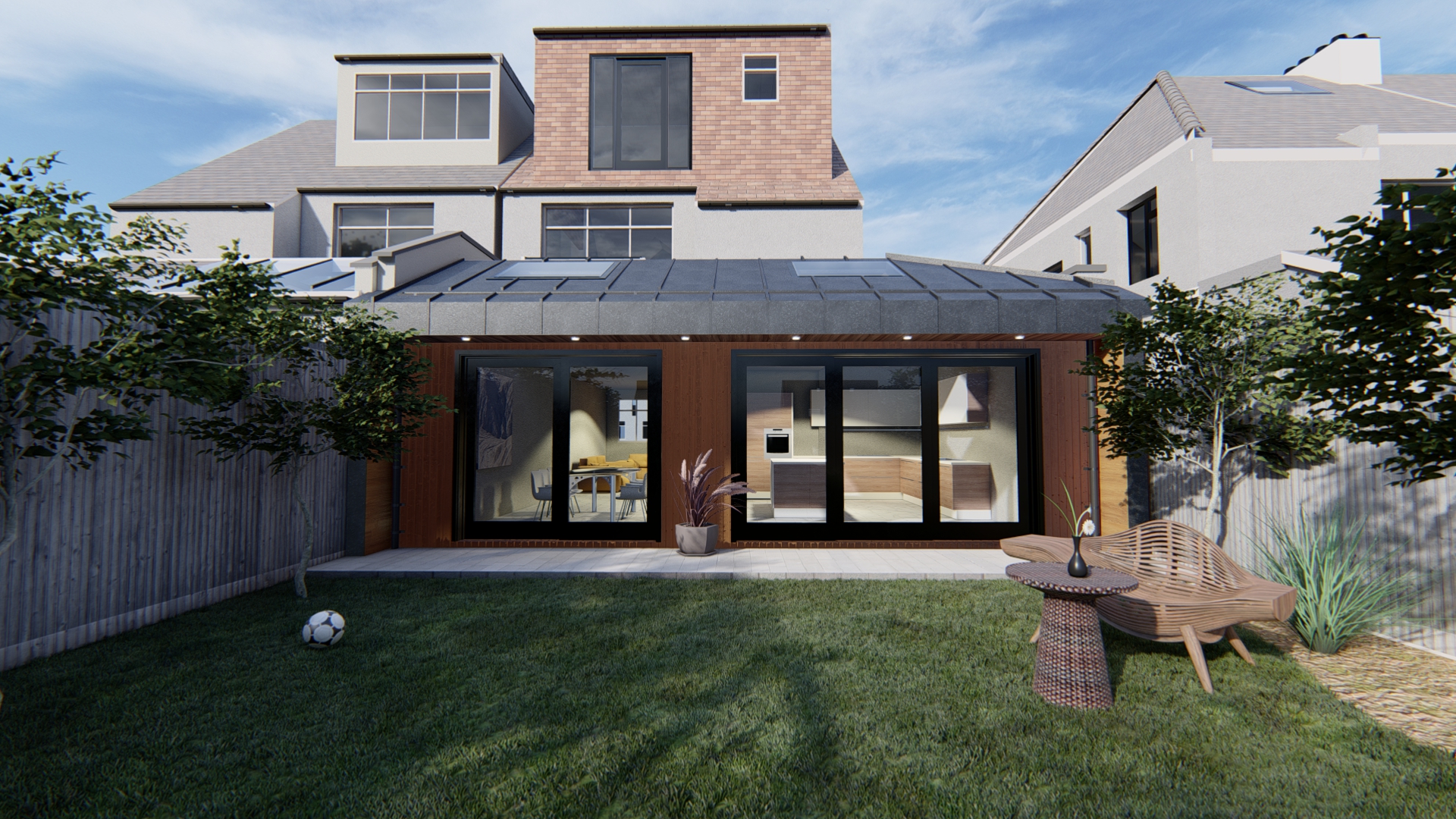
How much will a loft extension cost?
The cost of a loft extension can vary depending on several factors, including the size of the conversion, the type of materials used, the complexity of the project, and the location of the property. Here are some cost estimates to give you an idea of what to expect:
Basic loft conversion: A basic loft conversion that involves adding insulation, lighting, and a basic staircase can cost between £20,000 and £30,000.
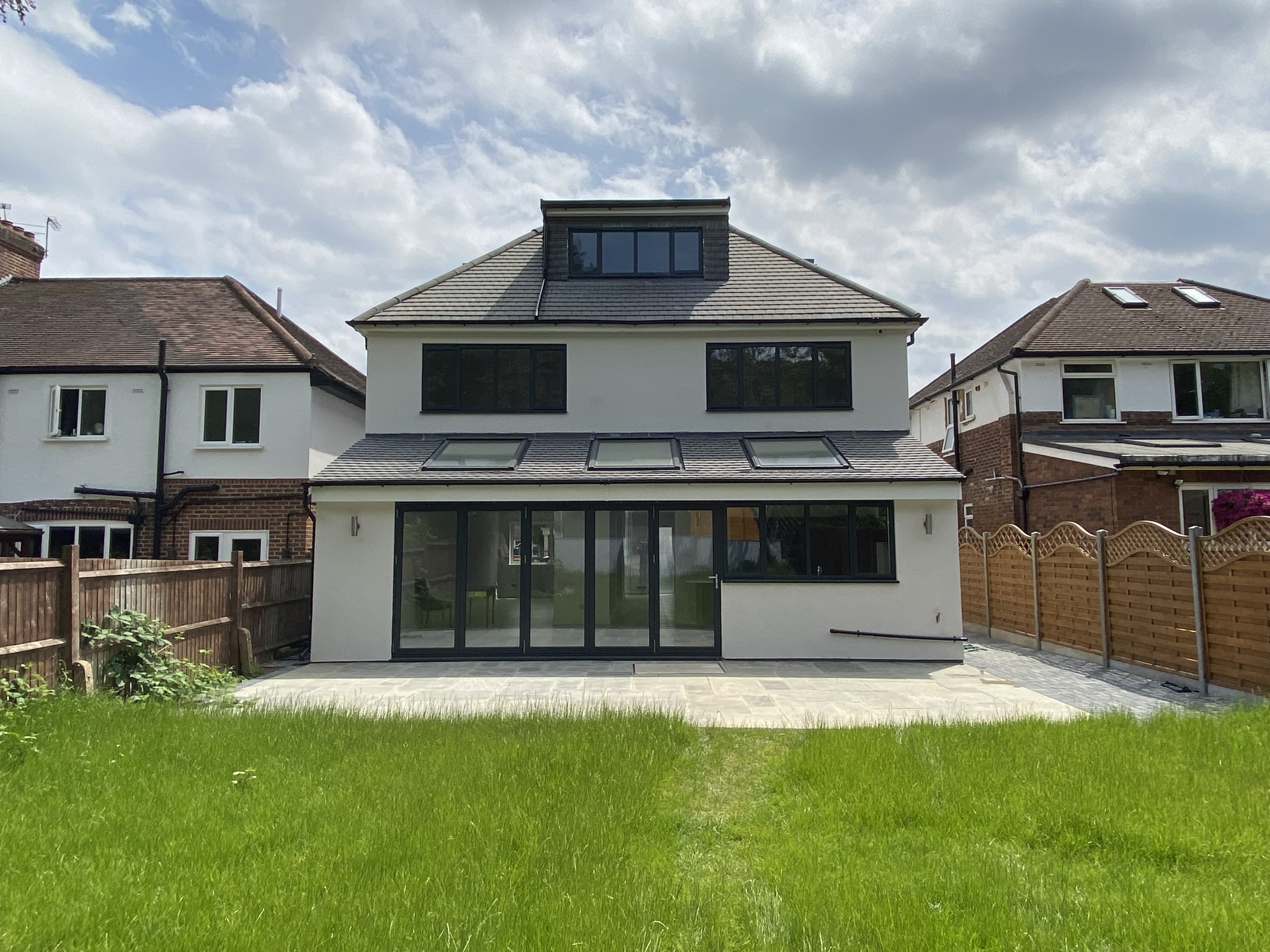
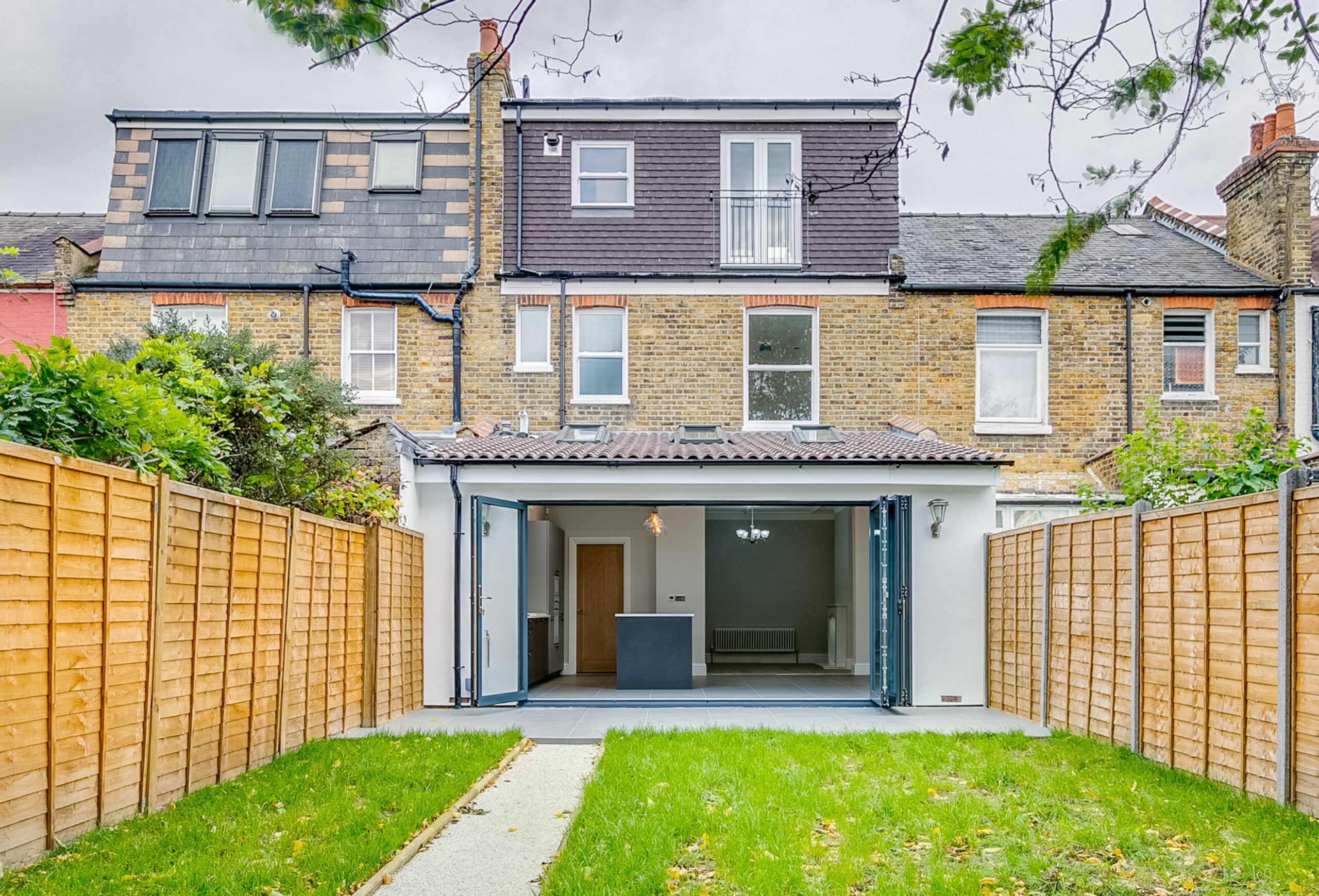
Dormer loft conversion: A dormer loft conversion is a popular option and involves extending the roof to create additional space. This type of conversion typically costs between £30,000 and £50,000.
Hip-to-gable loft conversion: This type of conversion involves extending the roof from the sloping hip to the gable end of the property, creating additional space. The cost for a hip-to-gable loft conversion can range from £40,000 to £60,000.
Mansard loft conversion: A mansard loft conversion is a more complex and expensive option that involves raising the roof at the back of the property to create additional space. This type of conversion can cost between £50,000 and £70,000.
It is important to note that these are just rough estimates and the actual cost of your loft extension will depend on several factors. To get a more accurate cost estimate for your loft conversion, you should consult with a professional builder or architect who can assess your property and provide a detailed quote based on your specific requirements.
How long does a loft conversion take?
The duration of a loft conversion project can vary depending on several factors, including the size and complexity of the conversion, the type of materials used, and the availability of labor. Here is a rough timeline for a typical loft conversion project:
Planning and design: This stage can take between 2 and 8 weeks, depending on the complexity of the project and the speed of the planning and design process.
Structural assessment: A structural engineer will need to assess the property’s foundation to determine if it can support the additional weight of a loft conversion. This can take up to 2 weeks.
Construction: The construction phase can take between 6 and 12 weeks, depending on the size and complexity of the project. This will involve the installation of stairs, insulation, roof windows, electrics, plumbing, and any other necessary features.
Finishing: The finishing stage can take between 2 and 4 weeks and involves adding finishing touches such as painting, decorating, and installing flooring.
In total, a loft conversion project can take anywhere from 10 to 26 weeks to complete, depending on the size and complexity of the project. It is important to note that unexpected issues may arise during the construction phase that could cause delays, so it is best to plan for some extra time in case of unforeseen circumstances.
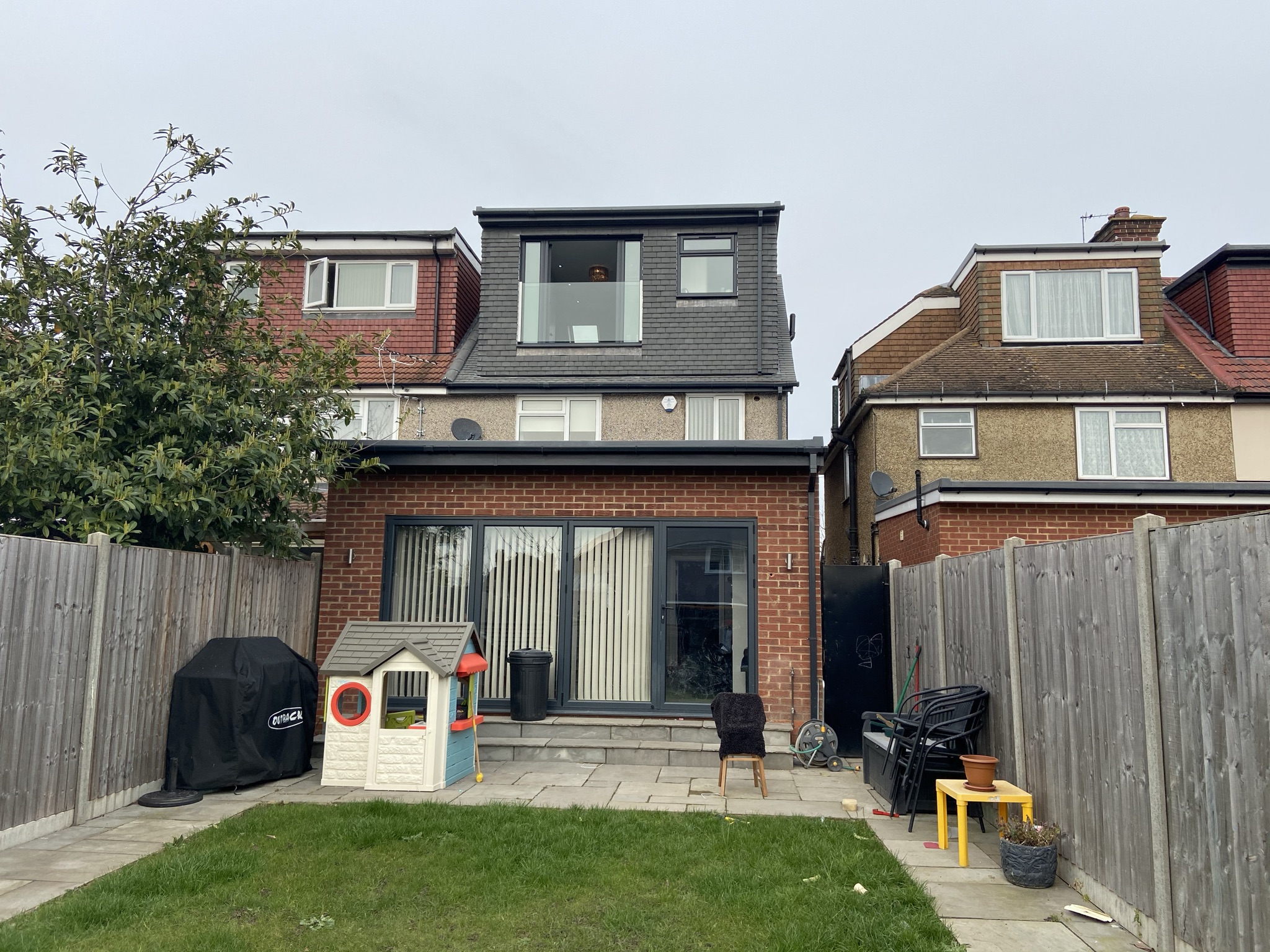
Do I need building regulations for a loft conversion?
Yes, building regulations approval is required for most loft conversions. Building regulations set standards for the design and construction of buildings to ensure that they are safe, healthy, and energy efficient. Building regulations apply to all loft conversions, including those that are carried out under permitted development rights.
Building regulations approval is necessary for a loft conversion to ensure that the new space meets the necessary safety, structural, and energy efficiency standards. Building regulations will cover several aspects of the conversion, including the structural integrity of the floor, walls, and roof, the means of escape in case of fire, ventilation, insulation, and sound insulation.
You can apply for building regulations approval from your local authority building control department or through an approved building control inspector. The application process involves submitting detailed plans and specifications of the proposed conversion, and the building control officer will carry out regular inspections during the construction process to ensure that the work meets the necessary standards.
It is important to note that failing to obtain building regulations approval for a loft conversion can result in legal action, and may also make it difficult to sell the property in the future. Therefore, it is essential to ensure that all necessary building regulations approvals are obtained before starting any work on a loft conversion project.
What are the fire safety rules concerning loft conversions?
Fire safety is a critical consideration when undertaking a loft conversion. Here are some of the key fire safety rules that apply to loft conversions:
Means of escape: It is essential to ensure that there is a safe means of escape from the loft in case of fire. This can be achieved by installing an appropriate fire exit route, such as a fire-rated stairway or an escape window that provides direct access to the outside.
Fire doors: Fire doors should be installed to separate the loft space from the rest of the house. These doors should be fire-rated and self-closing to prevent the spread of fire and smoke.
Smoke alarms: Smoke alarms should be installed in the loft space and on every floor of the property, including the hallway and landing. These alarms should be interlinked so that they all sound in the event of a fire.
Fire-resistant materials: Materials used in the construction of the loft conversion should be fire-resistant. This includes insulation, plasterboard, and any structural timber.
Electrical safety: All electrical installations should be carried out by a qualified electrician and comply with current safety standards. Electrical equipment should also be checked regularly to ensure that it is in good working order.
Access for firefighters: Firefighters need to have safe and easy access to the loft space in case of a fire. This may require the installation of a roof hatch or a suitable access point for firefighters.
Complying with fire safety rules is essential to ensure that your loft conversion is safe and meets all necessary regulations. It is important to consult with a qualified professional, such as an architect or builder, who can advise you on the specific fire safety requirements for your loft conversion project.
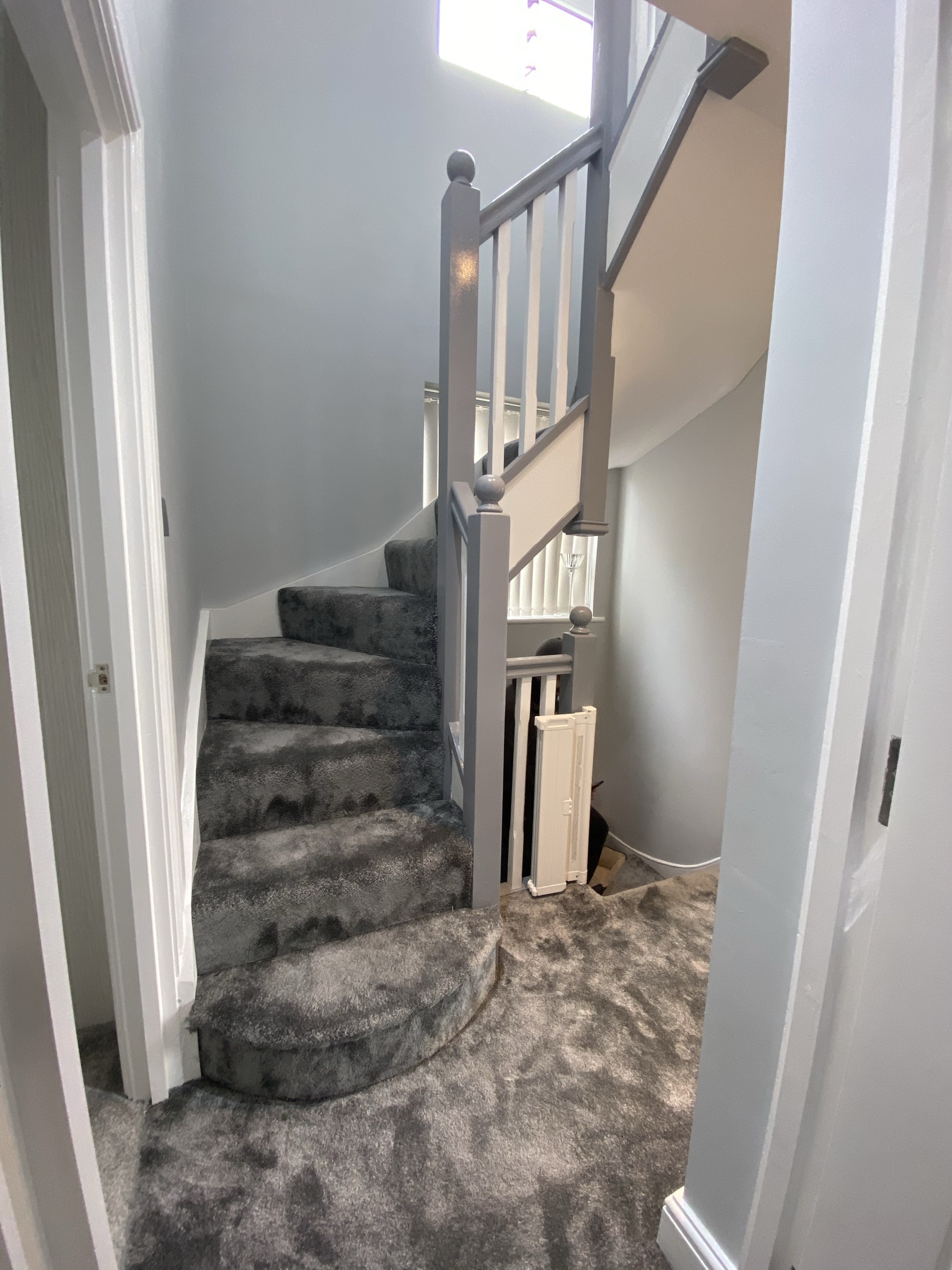
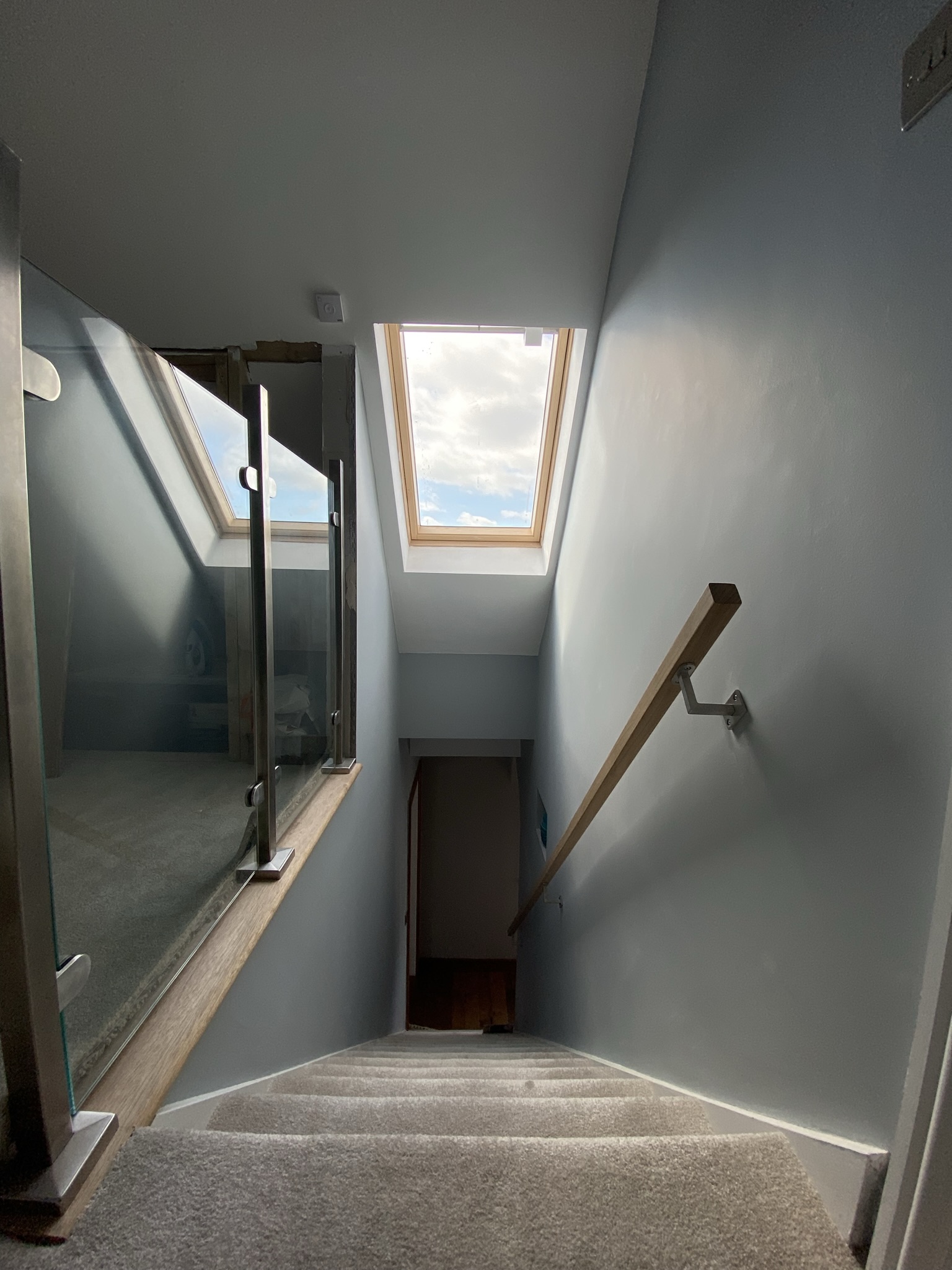
Do I need a Party Wall Agreement for a loft conversion?
It may be necessary to obtain a Party Wall Agreement for a loft conversion project, depending on the specifics of the project and the type of property you own. A Party Wall Agreement is a legal agreement between you and your neighbors, which sets out the rights and responsibilities of each party in relation to shared walls or structures.
Here are some situations where a Party Wall Agreement may be required for a loft conversion:
Shared walls: If your loft conversion involves working on a wall that is shared with a neighboring property, such as a party wall, then you may need to obtain a Party Wall Agreement. This will ensure that any work done on the shared wall is carried out safely and does not affect the structural integrity of the wall.
Excavations: If your loft conversion project involves excavations near a shared boundary, such as digging foundations or installing new drainage systems, you may need to obtain a Party Wall Agreement. This will ensure that any excavation work is carried out safely and does not affect the stability of the shared boundary.
Rights to light: If your loft conversion project affects the amount of light that your neighbors receive, you may need to obtain a Party Wall Agreement to ensure that their rights to light are protected.
It is important to note that the requirement for a Party Wall Agreement may vary depending on the specific circumstances of your project and the type of property you own. It is always advisable to consult with a qualified party wall surveyor who can assess your loft conversion project and advise you on the need for a Party Wall Agreement.
Where is the best place for a loft conversion staircase?
The location of the staircase for a loft conversion can depend on several factors, including the layout and size of the existing house, the type of loft conversion being carried out, and the available space for the staircase. However, there are some general guidelines that can help determine the best location for a loft conversion staircase:
Consider the existing layout: The staircase should be located in a place that provides easy access to the loft and fits seamlessly into the existing layout of the house. This may involve considering the location of existing stairs and the flow of the house.
Use existing space: Whenever possible, it is best to use existing space for the staircase, such as a landing or hallway. This can help to minimize the amount of space required for the staircase and reduce the impact on the existing living areas.
Maximize headroom: The staircase should be located in a place that provides sufficient headroom for safe and comfortable use. It is important to consider the height of the floor-to-ceiling space in the proposed location and to ensure that there is sufficient headroom for the staircase.
Consider access to the loft: The location of the staircase should provide easy access to the loft and allow for the installation of suitable fire safety measures, such as fire doors and smoke alarms.
Think about the design: The location of the staircase can have a significant impact on the overall design of the loft conversion. It is important to consider how the staircase will fit in with the overall aesthetic of the house and the proposed design of the loft space.
In general, the best location for a loft conversion staircase will depend on the specifics of your project and the layout of your house. It is important to consult with a qualified architect or builder who can help you to determine the most suitable location for the staircase based on your specific needs and requirements.
If you wish to project manage yourself, then that’s fine. Have a JCT homeowners’ contract which allows you to pay the contractor in stages rather than upfront, but is limited to your own basic knowledge as no professional would be there to supervise the project or you might end up paying money at the wrong time and for work that’s not of a good quality.In conclusion avoiding all this expected issue which comes with an extension project can be limited with the help of a project manager, though expensive to hire, but expect your project to be completed no time and budget.

KLC Architects have a comprehensive portfolio of work, which we aim to update on a regular basis to give you a feel of the diverse range of work being commissioned and completed.
We have worked with a number of Local Authorities across the country and in particular, have a great deal of experience working with all the London Authorities.
We liaise with the Planning Officer and Conservation Officer and other parties to make the process as smooth as possible in obtaining the required permissions and statutory requirements

architecture
KLC Architects can provide services to submit applications from;
- New Builds
- Extensions
- Renovations
- Re-modeling

design
Typical types of permissions include Full Planning Permission, Certificate of Lawful Use or Development, Listed Buildings Consent, & Conservation Area Consent from

Project Management
We prepare drawings and submit applications to the Local Authority’s Planning Department to obtain permission.